Understanding Palm Readings: An In-Depth Exploration

Intro
Palm reading, often regarded as a mystical art form, serves as a window into one's inner self, revealing insights that may not be apparent at first glance. This practice, steeped in history, transcends simple fortune-telling; it holds profound implications for personal growth and self-awareness. Rather than relying solely on celestial bodies, palmistry focuses on the intricate story told by the lines, mounts, and shapes of our hands.
Engaging with this ancient tradition offers a unique perspective on who we are and where we possibly are headed. This article aims to unravel the many layers of palm reading, discussing its historical roots, essential techniques, and the depth of knowledge it promises to deliver. By the end, readers will have a clearer view of the art of palm readings — a practice that can ignite self-discovery and juxtapose ancient wisdom with modern understanding.
Prologue to Palm Readings
Palm reading, also recognized as palmistry, is a fascinating practice that has captured the curiosity of many throughout the ages. Beyond merely staring at lines and shapes on one's palm, it offers insights into personality, potential, and even possible future paths. For those seeking to understand themselves better, palmistry provides tools that may lead to significant self-discovery. Understanding the art of palm readings allows individuals to tap into a rich tapestry of spiritual and historical knowledge, bridging their inner thoughts with outer realities.
The Importance of Palm Readings
Before delving deeper into the nuances of palmistry, it’s essential to grasp its foundational significance. Here are several key points to consider:
- Introspection and Reflection: Palm readings invite individuals to reflect on their experiences, aspirations, and challenges. This act of introspection can unravel deeper understanding of oneself, promoting personal growth.
- Cultural Perspectives: As we explore palmistry, we find that it's not just an individual practice but also a communal one, deeply entwined in various cultures around the globe, from India to Greece. Each culture offers unique insights and interpretations, enriching the fabric of palmistry.
- Guidance and Predictions: While some may approach palmistry skeptically, it serves as a compass for life decisions. Many people find clarity and guidance in their readings, using insights to make informed choices about relationships, careers, and more.
- Connection to Astrology: Understanding palm readings creates a synergy with astrology, where one’s palm lines can correlate with celestial influences. Both practices encourage individuals to ponder the intersection of fate and free will.
Considerations in Palmistry
Nevertheless, it is crucial to maintain a balanced view when approaching palm readings. Not every interpretation will resonate universally. Each individual's palm is unique, and thus so are their experiences and interpretations. Here are a few considerations:
- Personal Interpretations Vary: It’s essential to recognize that interpretations may vary widely. Readers may perceive and articulate messages differently, which could lead to contrasting assessments of the same features or lines.
- Skepticism and Acceptance: While many embrace palm readings with open arms, others may hold skepticism regarding its validity. As with any esoteric practice, an open mind paired with a critical eye can yield the best insights.
"Palmistry is not merely about the lines we see; it's about the stories they tell and the connections they forge."
Historical Context of Palmistry
The practice of palmistry, or chiromancy as it is sometimes known, has deep roots that stretch back millennia. Understanding the historical context of this intriguing discipline is vital because it lays the groundwork for how palmistry has evolved over time and why it's still relevant today. Not only does it provide insight into the earliest beliefs surrounding the practice, but it also reveals how different cultures have interpreted the lines and shapes seen in our palms.
Ancient Origins
Palmistry's history can be traced to ancient civilizations that believed hands held significant meaning. One of the oldest records comes from India, where palm readings were mentioned in ancient texts as early as 4000 BCE. The Indians utilized palmistry as a tool of self-discovery and spiritual insight. The ancient Greeks also contributed to the foundations of palmistry; philosophers like Aristotle noted the importance of a person’s hands in deciphering character traits. What's compelling is that these early beliefs crossed geographical boundaries. From the Egyptians who viewed hands as instruments that could reveal destiny, to the Romans who sometimes used palm readings as an early form of guidance, the conversation around the significance of palms was globally shared.
Significance in Different Cultures
Across various cultures, palmistry adapted to reflect local beliefs and practices, illustrating the rich tapestry of human thought in understanding fate and character. For instance:
- Indian Culture: In Indian traditions, palmistry is not just a reflection of fate; it’s intertwined with astrology and spirituality, often paired with insights from astrological charts to guide significant life choices.
- Chinese Culture: The Chinese regarded palmistry as an integral part of their fortune-telling practices, linking the lines on the palms with health, wealth, and emotional stability.
- Arab Culture: In Arab lands, palmistry held sway alongside other esoteric practices, intertwining with their deep-seated beliefs in destiny and the supernatural.
What’s fascinating is how palmistry has stood the test of time, transitioning from a mystical art into a practice embraced by modern self-help and psychological frameworks. Some contemporary practitioners even relate palmistry to psychological profiling, asserting that our palms might reflect the invisible threads of our life experiences.
"Palmistry is not just about lines; it’s a mirror that reflects our journey, desires, and interactions with the universe."
Understanding these historical contexts enhances our appreciation for palmistry as a nuanced, global tradition that invites introspection and personal growth. The nuances added by different cultures further enrich the practice, offering new perspectives on the lines and shapes that can be found in every palm. As we delve deeper into the basic principles of palm reading, the historical context serves as a reminder that we are engaging with a centuries-old tradition that continuously evolves, enriching our paths of self-discovery.
Basic Principles of Palm Reading
The core elements of palm reading form the foundation on which this ancient art rests. Understanding these basic principles is paramount for anyone keen on diving deep into the world of palmistry. Not only do these elements provide insights into a person’s character and potential, but they also serve as a guide for self-reflection and personal growth.
Major Lines of the Palm
Each of the significant lines on the palm tells a unique story. They provide understanding into different aspects of a person’s life. The heart, head, and life lines are the primary lines most commonly analyzed.
Heart Line
The heart line reflects emotional and romantic tendencies. It runs horizontally across the upper part of the palm and can say a lot about one's love life and relationships. The characteristic that stands out in various readings is how this line indicates emotional depth and vulnerability.
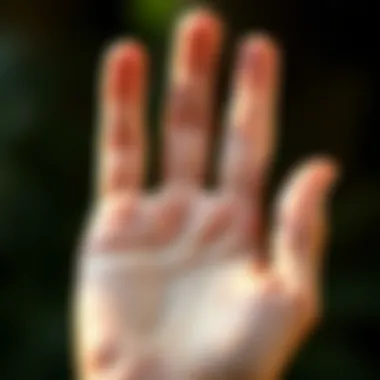

For instance, a long, curving heart line signifies an open and caring personality. On the contrary, a short or straight heart line may suggest emotional restraint. Such distinctions make it a popular choice among both beginners and seasoned practitioners. Its interpretation offers profound insights into relationship dynamics, revealing potential patterns in love. The advantage of the heart line lies in its direct connection to the emotional realm, making it an immediate focal point in any reading.
Head Line
Moving downward on the palm, we encounter the head line. This line deals with intellect and decision-making creteria. It often indicates the approach a person takes towards challenges and intellectual pursuits. A key characteristic of the head line is its length and form; a wavy line may suggest a creative thinker, whereas a straight line suggests logical reasoning.
This line's unique feature is how it provides notice to someone’s mental capabilities and patterns of thought. Whether sharp or fluid, its design speaks volumes about how a person processes information, making it a critical aspect in one's life insights. The head line can be disadvantageous too; a break could indicate a shift in life philosophy or educational journey.
Life Line
Often mistaken for a determinant of lifespan, the life line actually gives insight into a person’s vitality and lifestyle. Unlike the heart and head lines, it is more about the strength and quality of life experiences. This line curves around the base of the thumb, generally indicating significant life changes or periods of energy.
A prominent life line might suggest that one is adventurous and enjoys physical activities, while a faint line could indicate a more cautious nature. This line's integrative nature as a narrative tool positions it as a favorable aspect of palm reading. Knowing its nuances can facilitate deeper, more informed conversations about life choices and health. Still, like the other lines, misunderstandings can arise regarding its implications, making clarity crucial in interpretations.
Minor Lines and Their Meanings
Apart from the major lines, there are also minor lines that offer additional layers of understanding. These lines cover specific life aspects such as career, fate, and creativity, complementing what the major lines might indicate.
Fate Line
The fate line speaks directly to one's career and life path. It can vary significantly from person to person; some do not have it at all. Its presence—or absence—can provide insights into how much control a person feels they have over their life’s direction. It often runs vertically up the palm, intersecting with major lines at certain points, further enriching the reading.
For many, this line becomes an essential reference in discussions around career satisfaction and ambition. A long, deep fate line indicates a clear sense of purpose, while a broken line might symbolize disruptions in one's career. The advantage of interpreting this line lies in the potential for growth talks reflecting on choices and shifts.
Sun Line
The sun line, or Apollo line, indicates a person’s creativity and potential for fame or recognition. It runs parallel to the fate line, albeit less prominently defined. A clear sun line may suggest artistic talent or public success, while an absent or faint line could indicate a quieter existence.
This line's unique feature is its focus on glory and joy in life, which doesn’t necessarily equate with occupational success. Thus, readings must be approached with care to not draw incorrect conclusions merely based on its presence or absence. The line can be seen as a double-edged sword; it often brings high expectations alongside the potential for achievement.
Mercury Line
Finally, the Mercury line relates to communication skills and business acumen. Its position allows palm readers to discern how well someone conveys ideas and navigates social dynamics. A prominent Mercury line could indicate a talent for negotiation or persuasion, illuminating paths in both relationships and careers.
However, one must take caution in misinterpreting this line. A short or broken line may prompt inquiries into communication barriers. This can help individuals understand personal challenges in expressing themselves, thus enabling practical self-improvement strategies.
"By understanding these lines, one can better navigate the intricate landscapes of their relationships, choices, and personal growth."
The thorough exploration of the basic principles of palm reading, emphasizing the crucial lines, crafts a relatable narrative that not only enlightens but also serves as a guide for self-discovery. Armed with this knowledge, readers can foster deeper connections with themselves and others.
Interpreting the Shape of the Hand
The shape of a person's hand offers a treasure trove of insights that can paint a vivid picture of their personality. Each hand shape corresponds to distinct attributes that may reveal underlying tendencies and behavioral patterns. Understanding these shapes can enhance a palm reader's intuition and inform interpretations, making the reading more personalized and insightful. By delving into the unique characteristics of various hand shapes, one can not only gain clues about themselves or others but also foster a deeper sense of awareness regarding one's traits and potentials.
Palm Shapes and Personality Traits
Earth Hands
Earth Hands are often stout and square-shaped, characterized by wide palms and short fingers. These hands signify practicality and reliability, resonating with individuals who are grounded and realistic. People with Earth Hands tend to have a strong connection with the material world. They often excel in careers that require a hands-on approach or a pragmatic mindset, such as in agriculture or construction. A significant advantage of Earth Hands is their stability; these individuals can remain calm under pressure. However, their inclination towards routine might make them resist change, hampering flexibility in life’s various aspects.
Air Hands
Meanwhile, Air Hands are long and slim, where fingers tend to be elongated, almost graceful in appearance. This shape is synonymous with intellectual curiosity and a communicative spirit. People blessed with Air Hands are often great thinkers and articulate communicators, thriving in fields like writing, teaching, or any sphere that demands creativity and innovation. A key feature of Air Hands is their adaptability; these individuals might frequently change their opinions or paths based on new information. One caveat, though, is that their tendency to overthink can lead to indecision at times.
Water Hands

Water Hands boast a more rounded shape, combining a softer palm with long fingers. Those with Water Hands are often intuitive and emotional, possessing a rich inner life that allows them to empathize deeply with others. They are well-suited for professions in therapy, counseling, or any area where sensitivity to others’ feelings is a must. The unique feature of Water Hands lies in their emotional intelligence, which can foster strong relationships, but their sensitivity may also cause them to be easily overwhelmed by negativity and stress around them.
Fire Hands
Finally, Fire Hands display a long, square palm with long fingers. They exemplify passion, energy, and a fiery personality. Individuals with this hand shape are often natural leaders with a zest for life, making them ideal for entrepreneurial ventures or any position that requires initiative and charisma. A major benefit of Fire Hands is the enthusiasm they bring to every project, inspiring others. However, their impulsiveness may lead to hasty decisions without full consideration of consequences.
Finger Shapes and Their Implications
The shape of individual fingers can further refine the analysis of hand readings. Each finger may correlate with different aspects of personality, emotions, and abilities. Here’s a closer look at the implications:
- Long Fingers: Typically indicate a detail-oriented person who enjoys thinking and analyzing matters closely.
- Short Fingers: Point to practicality and a direct approach, favoring efficiency over detail.
- Curved Fingers: Often suggest a creative or adaptable nature, with a flair for the artistic.
- Straight Fingers: May signify a more disciplined personality, focused on structure.
Understanding finger shapes along with palm shapes can greatly enhance the reading, making it more holistic and comprehensive. The interplay of palm and finger characteristics nurtures an enriched narrative for anyone looking to uncover their personal insights or those of others.
Techniques of Palm Reading
The methods used in palm reading, or palmistry, play a crucial role in how one interprets the lines, shapes, and features of the palm. Understanding these techniques is vital for anyone who wants to delve deeper into this ancient practice. Different techniques can cater to various preferences, whether an individual leans towards classical methodologies or modern takes on the craft. It's this blend of old and new that makes the topic particularly appealing, offering readers a diverse toolkit for exploring palms with sophistication and nuance.
Reading Techniques
Traditional Methods
When we think of traditional palm reading, we often picture the age-old practices handed down through generations. These methods usually emphasize elaborate interpretations of the major lines on the palm. A hallmark of traditional palm reading is the focus on the Heart, Head, and Life Lines.
The primary strength of traditional methods lies in their historical context; they are built on centuries of accumulated wisdom from various cultures including Indian and Chinese interpretations. These approaches often resonate deeply with those who seek authenticity and cultural richness in their readings.
However, these methods come with their own set of disadvantages. Relying strictly on these long-established techniques might limit one's ability to adapt to modern societal changes and personal circumstances. For some, a rigid adherence to tradition could mean missing out on the unique insights derived from a more holistic or individualized approach.
Modern Adaptations
In contrast, modern adaptations of palmistry bring flexibility and contemporary relevance to the art. These approaches might integrate psychological insights, using them to interpret a person’s tendencies and traits based on palm features. A key characteristic of modern adaptations is their emphasis on intuitive reading. Instead of solely relying on predetermined meanings, practitioners often encourage the reader to trust their instincts during a session.
Modern techniques open up a realm of advantages, making the practice more relatable to those familiar with contemporary psychological frameworks. This makes it a popular choice, particularly among youth and those interested in self-improvement. Yet, this newer angle has its criticisms; some purists may argue it strays too far from the tried-and-true principles that have adorned the palmistry community for decades.
Incorporating Intuition
Intuition stands as one of the most subjective yet powerful tools in palm reading. It allows a reader to connect not only with the physical features of the palm but also with the emotional and spiritual currents that might be at play. For many, palmistry transcends mere lines and shapes. It's also about reading the energy of the person in front of you
Incorporating intuition can enrich the reading experience significantly, providing depth that raw data from lines and shapes alone cannot convey. This practice encourages individuals to look beyond the obvious, inspiring a more profound understanding of oneself and the readings.
Ultimately, regardless of the methods used—traditional or modern—palmistry is more than an analysis of marks on the skin. It embodies a journey into one's psyche, a conversation between the reader and the seeker that evolves through intuitive moments and lived experiences.
In palmistry, it's not just the lines that matter. It's the stories they tell, woven into the fabric of your existence.
For further reading, resources such as Wikipedia and Britannica offer extensive overviews on this intriguing topic. Recently, discussions on platforms like Reddit have added modern perspectives that can also be insightful.
Applications of Palm Readings
Palm readings serve several practical purposes that reach far beyond mere entertainment. The insights derived from studying the lines, shapes, and patterns on one's palms can provide various benefits across different aspects of life. From helping individuals gain a deeper understanding of themselves to offering perspective in complex relationships, palmistry is regarded as more than a mystical endeavor; it is a tool for personal growth and decision-making. This section delves into the tangible applications of palm readings, showing their relevance in today's world.
Enhancing Self-Awareness
When it comes to self-discovery, palm readings can act as a mirror reflecting internal dynamics that one might not be fully aware of. Many individuals go through life without truly understanding their motivations or behavior patterns. By analyzing the major lines, such as the heart and head lines, individuals can glean insights about their emotional tendencies and thought processes.
For example, someone with a deep heart line might prioritize emotions in decisions, pointing out a potential for sensitivity, while a more straight heart line can indicate a more rational approach to relationships.
Furthermore, palm readings can illuminate character traits that are intertwined with life experiences. Recognizing these traits can foster self-acceptance, allowing individuals to embrace their uniqueness. With this enhanced self-awareness, many find themselves more prepared to face challenges and to pursue fulfilling paths.
Guidance in Relationships
Relationships can often feel like navigating a rocky road without a map. Palmistry can supply some clarity in these often murky areas. Each person's palm reveals not just individual traits but how those traits manifest in interpersonal connections. For instance, someone with a long and prominent lifeline may enjoy longevity in their relationships, signaling stability in their partnerships. Conversely, a forked heart line may indicate a struggle with commitment or emotional conflicts.
Understanding these nuances can give partners a better grasp of each other’s needs. This is not to suggest that palmistry should replace communication; rather, it acts as an additional layer to explore compatibility and conflict resolution. Knowing oneself and one’s partner through the lens of palmistry can lead to deeper conversations, promote empathy, and foster a nurturing environment for both to thrive.
Career Insights
On the professional front, palmistry doesn't just end at the personal level but extends into career-related realms. Many career coaches and mentors use palm reading as an unconventional tool to evaluate a person's strengths and weaknesses in the workplace. The fate line, if prominent, often suggests a clear sense of direction and purpose in one's career, while an absent or faint line can indicate indecisiveness or a lack of direction.
For instance, someone with well-defined fingers might be suited for careers in communication or art, while broader palms could signal a preference for hands-on work or leadership roles. Assessing these attributes can help individuals align their career choices with their inherent proclivities, ultimately leading to greater job satisfaction and fulfillment.
"Understanding the language of your palm can actually unlock doors to the paths you are most meant to walk upon."
In summary, the applications of palm readings are as multifaceted as the insights they provide. They offer a compass for self-discovery, enrich relational dynamics, and illuminate career paths, making this ancient practice relevant even in the modern context. Whether one approaches palmistry as a curious exploration or as a serious avenue for growth, the potential to derive valuable insights remains significant.
Common Misconceptions About Palmistry
Understanding palmistry involves navigating a landscape interspersed with myths and misconceptions. Many folks view it through a lens clouded by skepticism and pop culture portrayals. This section is important because addressing these misconceptions not only enriches one’s appreciation of the practice itself but also enhances its credibility as a tool for self-reflection and personal growth.
In palmistry, a reading is not about predicting the future in a rigid, foreboding manner, which is often the portrayal in movies or TV shows. Instead, it's about understanding potential paths and insights based on the information provided by the lines, shapes, and mounts of the hand. Thus, demystifying these misconceptions allows readers to approach palmistry with an open mind and a sense of curiosity.
Skepticism and Belief
In any field that touches the metaphysical, skepticism is as common as flies at a picnic. Some often dismiss palmistry as mere superstition. This skepticism can stem from a deep-seated belief in only what is tangible or scientifically proven. Yet, palmistry is not about blind faith. Those engaged deeply with the art often describe it as a form of refined intuition, derivative of keen observation rather than mystical hocus pocus.
A balanced viewpoint might argue that skepticism should coexist with openness. In fact, many practitioners often welcome a healthy dose of doubt, as it can prompt deeper inquiry and understanding. Bringing a discerning eye thus complements a receptive mind, allowing for a richer grasp of what one's palm can convey.
- Skepticism may arise from:
- Misinterpretations of outcomes.
- Overstated claims made by some practitioners.
- The sensationalization of the practice in media.
Thus, when approached with respect and seriousness, palmistry can provide valuable opportunities for reflection and insight, whether or not the reader subscribes to its principles.
Mistaken Identity Within Astrology
While palmistry and astrology often cross paths, it's essential to distinguish between the two practices. Some individuals mistakenly conflate palm reading with astrological interpretations, thinking they offer the same insights. Though they may complement each other, they operate on different principles and frameworks.
Astrology is centered around celestial placements and their influence on human behavior and events. In contrast, palmistry focuses on the individual's hand—its lines and features reflect personal tendencies, emotional states, and potential paths.
Consider this:
- Palmistry looks inward: It captures the reflections of the self as embodied in the hand.
- Astrology gazes outward: It examines the external cosmic influences at play during a person’s birth.
By understanding these differences, individuals can more fully appreciate what each practice can offer. Delving into palmistry does not negate the insights found in astrology; rather, it provides a more holistic toolset for understanding oneself and one's circumstances.
"Being informed is half the battle; the other half is interpretation. Know the distinctions, and the insights will unfold."
Ending: The Relevance of Palm Readings Today
In the whirlwind of modern life, where everything seems to be moving at breakneck speed, the ancient practice of palm reading offers a pause for reflection. This age-old art is not merely about predicting the future; it serves as a mirror reflecting our inner selves. Palmistry holds relevance today by offering insights that can lead to personal growth, self-awareness, and even decision-making in various aspects of life.
Palm reading provides individuals a unique lens through which they can view their past experiences and future potentials. One may find their heart line indicating emotional predispositions or the head line offering clues about mental processes. These insights can empower the individual, guiding them to make informed choices based on their inherent traits. In navigating complex relationships, whether personal or professional, understanding one’s emotional responses can be crucial. When consulting a skilled palm reader, clients often leave with a heightened sense of clarity regarding their life paths, allowing them to take charge rather than drift along the currents of fate.
Moreover, palmistry engages with a growing movement toward holistic wellness. As more people seek to integrate ancient wisdom with contemporary therapeutic practices, palm readings can form an essential piece of the puzzle. For those delving into self-exploration, palmistry is often viewed as a fascinating adjunct to practices like yoga, meditation, and even psychological therapy. The amalgamation of these practices fosters a powerful environment for self-discovery and emotional healing.
"Knowing your palm can reveal not just what you will do, but who you are."
Yet, the discussion around palm readings is not just about self-awareness, but also about challenging persistent misconceptions. Critics might argue that palmistry lacks scientific backing. While it may not fit neatly within conventional frameworks, understanding and embracing this art can serve as a profound psychological tool. In a world that often relegates the mystical to the realm of the frivolous, palm readings maintain and enhance the human tendency to seek connection with deeper meanings.
As one navigates the digital age's vast sea of information, the clarity offered by palm readings might just be the compass needed to steer through uncertain waters. For those in the fields of astrology, esoteric studies, and even everyday life, palm reading remains a relevant, engaging, and practical tool. Whether for the sake of introspection, guidance, or simply curiosity, the palms tell stories that resonate far beyond their surface lines.